
How to Let Go of the Past: 7 Simple Steps That Actually Help
Letting go of the past isn’t as simple as deciding to move on.
Even when we want to, memories, emotions, and unanswered questions can keep pulling us back.
The truth is, letting go is a process — one that takes awareness, patience, and small intentional steps.
The good news is that it’s absolutely possible.
In this guide, you’ll learn practical ways to release what’s been weighing on you so you can create more space for peace, clarity, and forward movement.
Why Letting Go Feels So Difficult
Our minds are designed to hold onto experiences, especially emotional ones.
When something meaningful or painful happens, the brain keeps revisiting it to try to understand and protect us.
This is why you might:
• Replay conversations
• Think about “what if” scenarios
• Feel stuck in old emotions
Letting go isn’t about forgetting — it’s about processing enough that the memory no longer controls your present.
Step 1: Accept What Happened
Acceptance doesn’t mean you agree with what happened or that it was fair.
It simply means acknowledging reality instead of resisting it.
When you stop fighting the past, you free up emotional energy that was tied to trying to change something that can’t be changed.
A simple way to start is by saying:
“I can’t change what happened, but I can choose how I move forward.”
Step 2: Stop Replaying the Story
Replaying situations keeps emotions fresh, even when the event is long over.
When you notice yourself going over the same memory again, gently interrupt the pattern:
• Take a deep breath
• Shift your attention to something present
• Remind yourself you’ve already thought about it
This helps break the loop.
Step 3: Express the Emotion
Unexpressed emotions don’t disappear — they stay stored in the mind and body.
Healthy ways to release them include:
• Writing in a journal
• Talking to someone you trust
• Reflecting quietly
Expression allows emotions to move instead of staying stuck.
Step 4: Shift Your Perspective
Sometimes what keeps us stuck is the meaning we attach to an experience.
Ask yourself:
• What did this teach me?
• How did I grow from it?
• What strength did I gain?
Finding meaning helps the brain create closure.
Step 5: Create Closure
Closure doesn’t always come from another person — often it’s something you create internally.
You might:
• Write a letter you don’t send
• Reflect on what you would say
• Decide what you’re leaving behind
This symbolic act helps signal to your mind that the chapter is complete.
Step 6: Focus on the Present
The more attention you give the present, the less space the past takes up.
Small ways to reconnect with now:
• Notice your surroundings
• Practice slow breathing
• Engage in something you enjoy
Presence naturally weakens emotional attachment to past events.
Step 7: Build a Letting Go Habit
Letting go isn’t a one-time decision — it’s something you practice.
Creating a daily reflection habit helps you:
• Process emotions regularly
• Prevent emotional buildup
• Stay mentally clear
Consistency makes the process easier over time.
When Letting Go Starts to Feel Easier
You may not notice a sudden moment when everything changes.
Instead, it often looks like:
• Thinking about it less often
• Feeling calmer when it comes up
• Having more mental space
• Responding differently
These small shifts are signs of real emotional progress.
A Tool to Support Your Letting Go Journey
If you want guidance instead of figuring it out alone, using structured prompts can make the process easier.
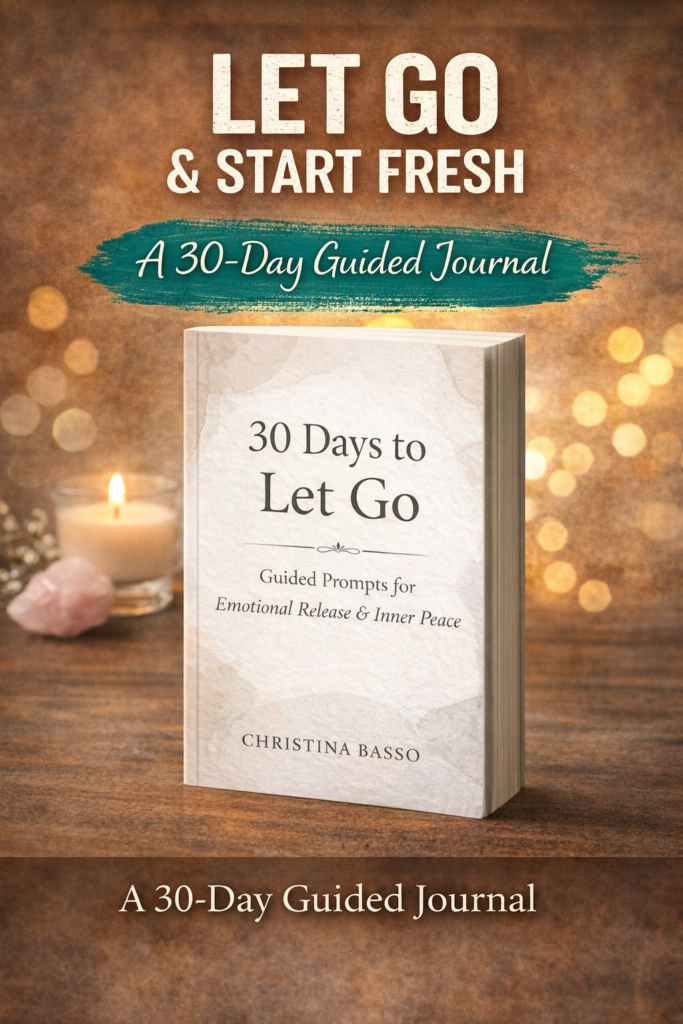
30 Days to Let Go is a guided journal designed to help you:
• Reflect with intention
• Release emotional weight
• Build a daily habit of clarity
One prompt a day can help you move forward with more peace and perspective.
👉 Start your 30-day reset when you’re ready.
Conclusion
Letting go of the past isn’t about erasing memories — it’s about freeing yourself from their emotional hold.
By accepting what happened, expressing your feelings, and focusing on the present, you create space for growth and a lighter state of mind.
Small steps, practiced consistently, can lead to meaningful emotional freedom.