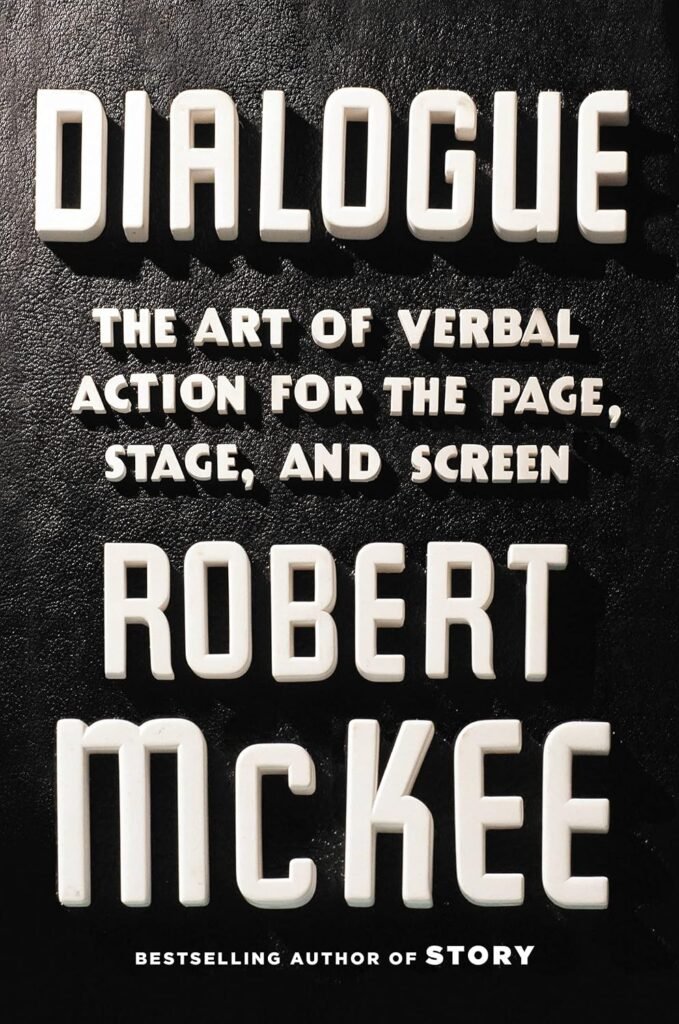
How to Write Dialogue That Sounds Natural
How to Write Dialogue That Sounds Natural
Dialogue is one of the most powerful tools in storytelling. It reveals personality, builds relationships, creates conflict, and keeps readers engaged. Yet it’s also one of the hardest skills for new writers to master.
Many beginning authors write conversations that sound stiff, overly formal, or unrealistic. The good news is that natural dialogue isn’t about copying how people actually speak—it’s about creating the illusion of real conversation.
Here’s how to write dialogue your readers will believe.
Listen to Real Conversations
The best dialogue starts with observation.
Pay attention to how people speak at work, in restaurants, or with friends. Notice that conversations aren’t perfect. People interrupt each other, pause to think, change topics, and rarely speak in long, polished speeches.
You don’t want to copy these conversations word for word, but understanding their rhythm will help your writing sound authentic.
Give Every Character a Unique Voice
If you removed the dialogue tags, would readers still know who is speaking?
Each character should have a distinct way of talking.
One character may use short, direct sentences.
Another may tell long stories.
Someone else might use humor to avoid serious conversations.
Different vocabulary, sentence length, and tone help make every character memorable.
Avoid Explaining What Both Characters Already Know
One of the quickest ways to make dialogue feel artificial is using it only to deliver information to the reader.
For example:
“As you know, we’ve been partners for fifteen years.”
Real people don’t usually remind each other of facts they both already know.
Instead, reveal information naturally through conflict, emotion, or context.
Cut the Small Talk
Real life includes greetings, weather, and casual chatter.
Stories usually don’t need them.
Readers want conversations that move the story forward, reveal character, or create tension.
Instead of:
“Hi.”
“Hi.”
“How are you?”
“Good.”
Start where something interesting begins.
Use Dialogue Tags Sparingly
Words like said and asked are nearly invisible to readers.
There’s rarely a need to replace them with words like exclaimed, remarked, uttered, or ejaculated.
When the dialogue itself conveys emotion, simple tags work best.
Even better, combine dialogue with meaningful actions.
Instead of:
“I’m leaving,” she said angrily.
Try:
“I’m leaving.” She grabbed her keys and slammed the front door behind her.
The action communicates the emotion without needing to explain it.

Read Your Dialogue Out Loud
One of the easiest editing techniques is reading every conversation aloud.
If a sentence feels awkward to say, it will probably sound awkward to read.
Reading aloud also helps you spot dialogue that’s too long, repetitive, or unnatural.
Example
Less Natural
“Hello, John. I wanted to tell you that I am very upset because you forgot our meeting today.”
More Natural
“You forgot.”
John looked up from his phone.
“I know.”
“You promised you wouldn’t.”
The second version creates emotion without explaining everything.
Common Dialogue Mistakes
Every Character Sounds the Same
Characters should have individual voices, not identical speech patterns.
Too Much Information
Dialogue shouldn’t feel like a lecture.
Let readers discover information naturally.
Overusing Accents
A few carefully chosen word choices are enough.
Writing every word phonetically often becomes distracting.
Long Monologues
Most conversations involve interaction.
Break up long speeches with actions, questions, or interruptions.
Practice Exercise
Write a conversation between two characters who disagree about something important.
Do not describe their emotions.
Instead, reveal how they feel through their words, pauses, actions, and what they choose not to say.
When you’re finished, read it aloud.
If it sounds like two real people talking, you’re on the right track.
Final Thoughts
Natural dialogue isn’t about perfectly recreating real conversations.
It’s about creating conversations that feel believable while keeping the story moving.
Strong dialogue reveals character, builds tension, and keeps readers turning pages.
The more you listen to real conversations, read great fiction, and practice writing your own, the more natural your dialogue will become.
Like every part of writing, it improves one conversation at a time.
Recommended Reading