The Hero’s Journey Explained Simply
Introduction
Every unforgettable story has a beginning.
A hero leaves the familiar behind, faces impossible challenges, changes along the way, and returns transformed. Whether it’s The Hobbit, Star Wars, Harry Potter, or The Lion King, this pattern appears again and again.
This timeless storytelling framework is known as The Hero’s Journey. First identified by mythologist Joseph Campbell, it has shaped myths, novels, films, and legends across cultures for centuries.
Understanding the Hero’s Journey won’t just help you recognize great stories—it will help you understand why they continue to resonate with readers long after the final chapter.
What Is the Hero’s Journey?
At its core, the Hero’s Journey is a pattern of transformation.
The hero begins in an ordinary world, encounters a challenge, overcomes obstacles, learns valuable lessons, and returns forever changed.
The journey isn’t simply about defeating a villain or finding treasure.
It’s about becoming a different person.
That’s why audiences connect so deeply with these stories. They reflect our own struggles, fears, failures, and victories.

The Three Main Stages
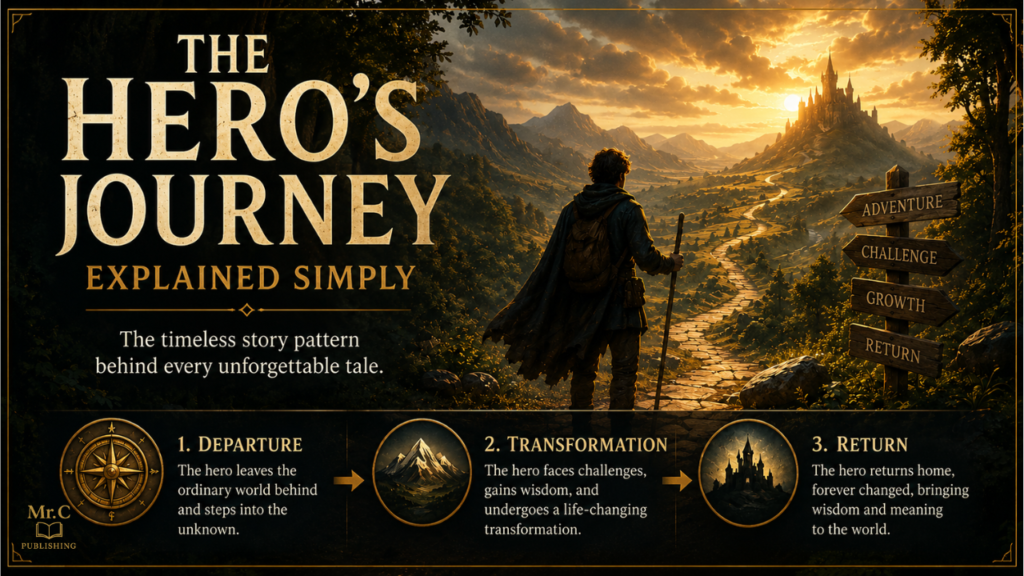
While Joseph Campbell described many individual steps, the entire journey can be understood through three simple stages.
1. The Departure
The hero lives an ordinary life until something changes.
Sometimes it’s an invitation.
Sometimes it’s a tragedy.
Sometimes it’s pure curiosity.
Whatever the reason, the hero steps into the unknown.
Think of Bilbo Baggins leaving the safety of the Shire or Harry Potter discovering he’s a wizard.
Everything begins with the decision to leave comfort behind.
2. The Transformation
This is where the real story happens.
The hero faces failures, fears, enemies, mentors, and unexpected challenges.
Every obstacle teaches something new.
By the end of this stage, the hero isn’t simply stronger.
They’re wiser.
The greatest battles often happen within the character rather than against an external enemy.
3. The Return
After achieving the goal, the hero comes home.
But home no longer feels the same.
Why?
Because the hero has changed.
The journey wasn’t about returning with treasure.
It was about returning with wisdom.
That’s what makes these stories meaningful.
Why This Pattern Works
The Hero’s Journey has survived for thousands of years because it reflects real life.
Every person experiences moments of uncertainty.
We leave familiar places.
We struggle.
We fail.
We grow.
Then we help others with what we’ve learned.
Great stories mirror that experience.
Readers may never fight dragons or travel across magical kingdoms, but they understand fear, courage, hope, sacrifice, and growth.
That’s why the Hero’s Journey continues to resonate across generations.
Is Every Story a Hero’s Journey?
No.
Many wonderful stories follow completely different structures.
Romances, mysteries, literary fiction, and modern experimental novels often break traditional storytelling rules.
The Hero’s Journey isn’t a formula.
It’s a guide.
Understanding it gives writers another tool—not a set of restrictions.
Some of the greatest storytellers follow it closely.
Others intentionally break it.
Both approaches can create unforgettable stories.
Final Thoughts
The Hero’s Journey isn’t just about heroes.
It’s about transformation.
That’s why the pattern continues to appear in stories told centuries apart and across entirely different cultures.
Whether you’re a reader trying to understand why certain books stay with you forever or a writer hoping to create memorable stories, the Hero’s Journey offers one of the clearest windows into the art of storytelling.
The destination matters.
But it’s the transformation along the way that readers never forget.
Recommended Reading
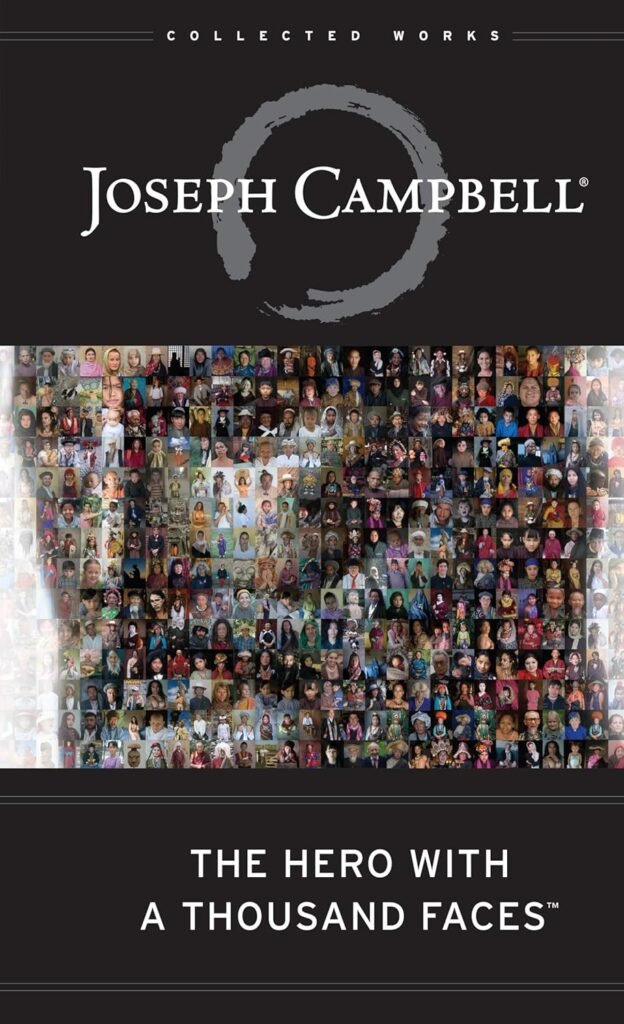
The Hero with a Thousand Faces
Joseph Campbell
The classic exploration of myth and the Hero’s Journey that has shaped countless novels, films, and modern storytelling.
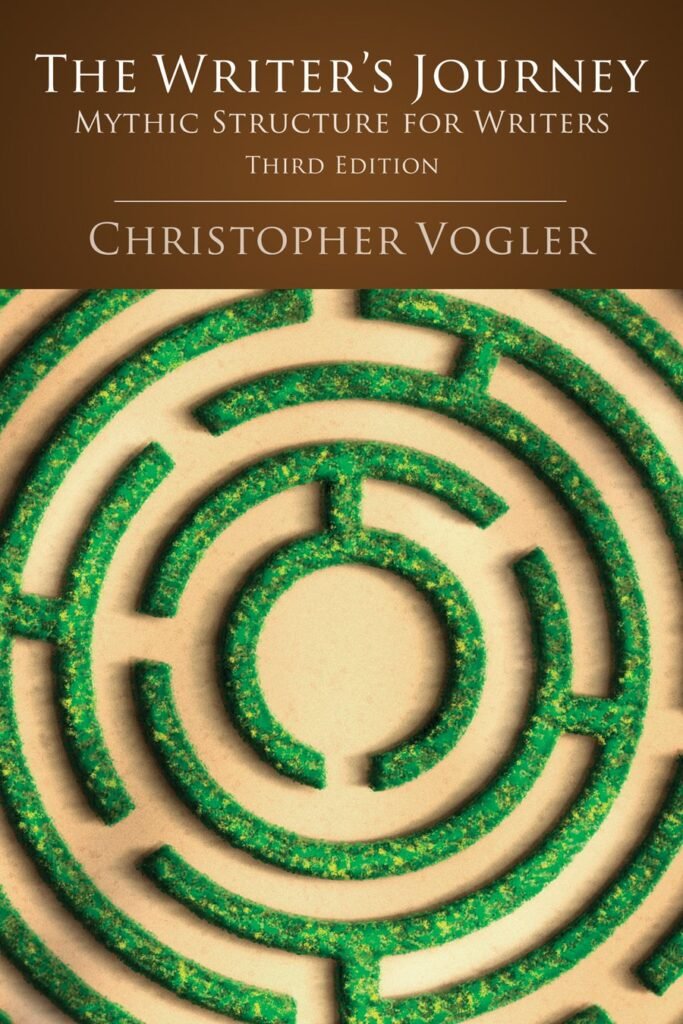
Christopher Vogler
Adapts Mythologist Joseph Campbell’s ideas into practical storytelling tools.
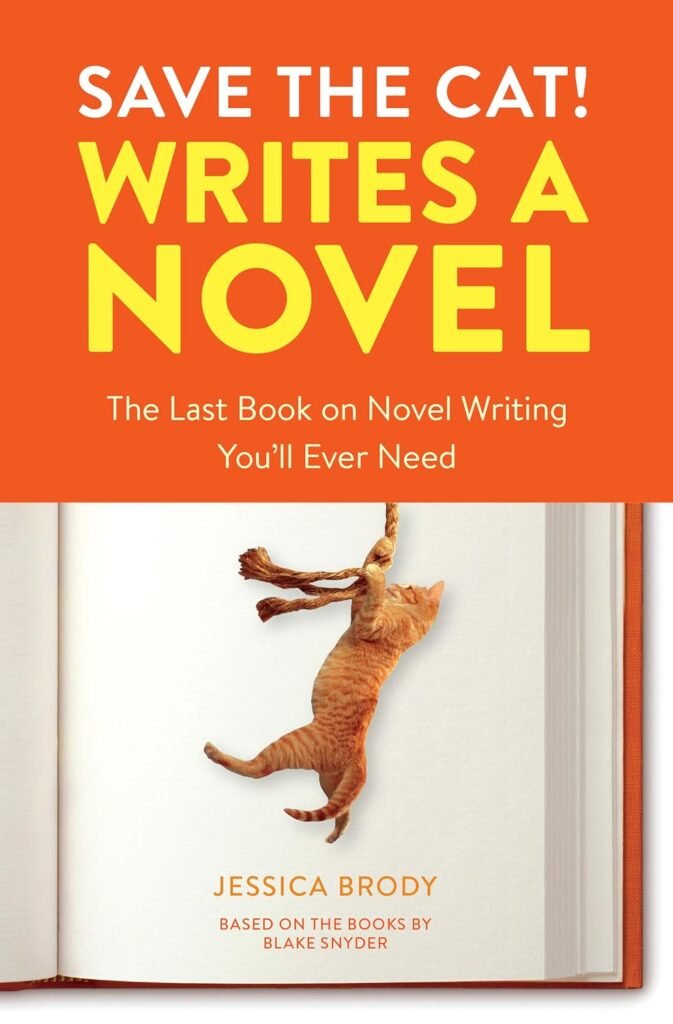
Jessica Brody
#1 Best Seller
Learn a proven story structure used by bestselling novelists to create satisfying and engaging fiction.